When a Scottsdale homeowner searches for a plumber, a dentist, or a web designer, Google serves them a local map pack and a page of results—all before they ever visit a single website. Your ability to appear in those results starts with your website, and it starts with the decisions made when the site is built.
Why local search is different from general SEO
General SEO is about ranking for search terms across a broad or national audience. Local SEO is about appearing when someone nearby searches for what you offer—and that proximity signal changes everything. Google considers location, relevance, and prominence when ranking local results, and the signals it uses come from three main places: your Google Business Profile, your website, and citations from directories and other sources.
Of those three, your website is the one you have the most direct control over—and the one that influences the other two. A well-built, technically sound website validates your Google Business Profile claims, supports your local citations, and gives Google meaningful content to understand what you do and where you do it.
The good news for Scottsdale businesses is that many competitors in the Valley still have websites that are technically weak—slow, poorly structured, with little local content depth. The floor isn’t as high as you might expect.
What your website needs for local visibility
Several on-site factors have a direct and meaningful impact on how you rank in local search.
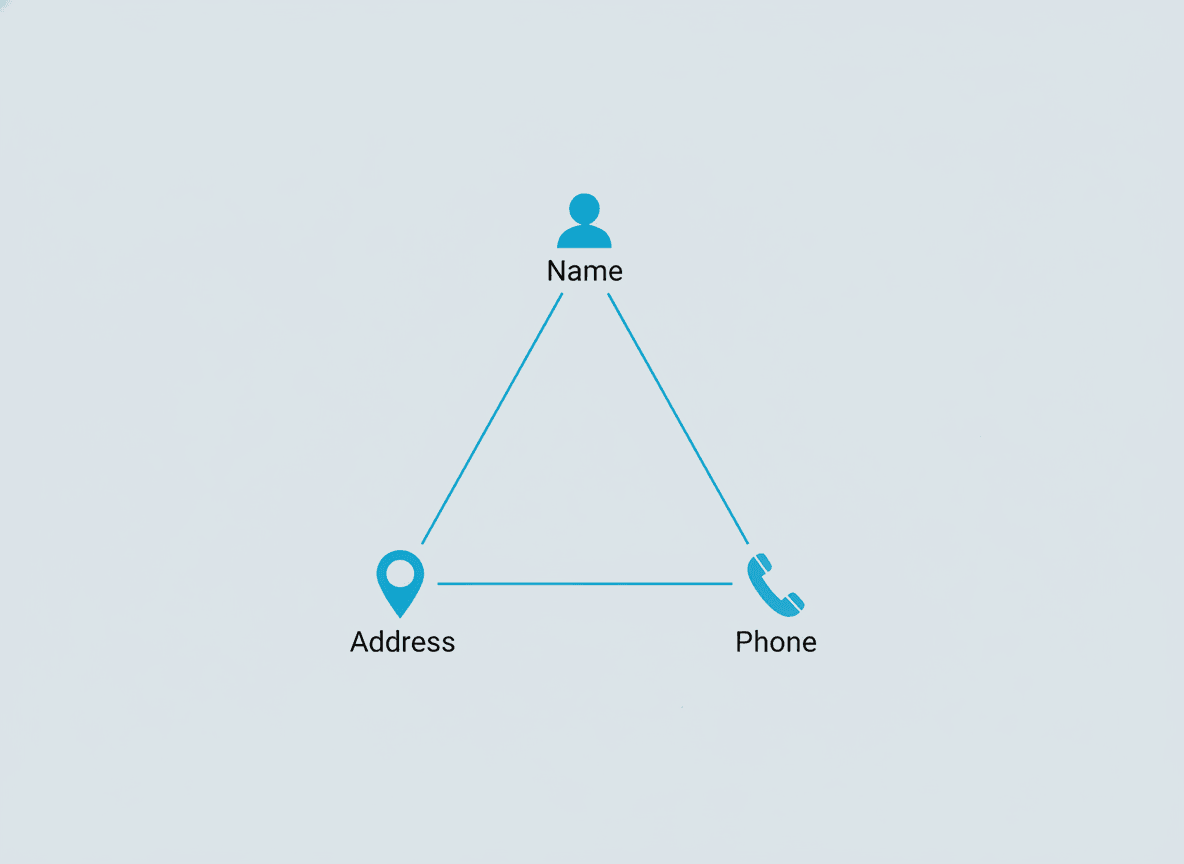
Your NAP (Name, Address, Phone). Your business name, address, and phone number should appear consistently across your site—in the footer, on your contact page, and structured correctly with LocalBusiness schema markup. Schema markup is a piece of code that tells search engines exactly what your information means, not just what it says. Most small business sites don’t use it, which is an easy competitive advantage for those that do.
Location-specific pages. If you serve multiple cities in the Phoenix metro, a single page that mentions several city names is far less effective than dedicated pages for each area you serve. A Scottsdale web design page, a Tempe page, and a Chandler page each built with genuine local content will outperform a generic service area list. This is why service area expansion is part of a well-planned web design project, not an afterthought.
Page speed and Core Web Vitals. Google uses page experience signals as a ranking factor, and mobile performance weighs heavily in local results where most searches happen on phones. A site that takes four seconds to load on a mobile connection loses ranking ground and loses visitors before they see what you offer.
Mobile-first design. Related to speed but distinct from it: Google indexes the mobile version of your site first. A layout that breaks or degrades on a phone is a liability in both rankings and conversion. Understanding why a mobile-friendly website matters isn’t just a UX question—it’s a local search question.
Content that signals local relevance
One of the least-utilized levers in local SEO is genuinely local content. Not keyword-stuffed city pages, but real content that demonstrates your connection to the area—the neighborhoods you work in, the types of businesses you serve locally, the questions your Scottsdale clients actually ask.
For a web design studio, that means writing about the specific challenges Scottsdale businesses face in competitive local markets, what the Scottsdale consumer expects from a business website, and how design choices that work in Phoenix proper sometimes need different treatment in the north Scottsdale or Old Town business context. Generic content written for “any city” rarely ranks for any city.
A blog that answers real local questions is the most sustainable content strategy for small businesses. Pages that address specific local search intent—“how much does a website cost in Scottsdale,” “best web designer near me”—earn rankings that persist long after you stop paying for ads. That’s a very different ROI profile than a perpetual paid search budget.
The role of web design in local SEO
Local SEO and web design are more intertwined than they often appear. The technical decisions made during a build—URL structure, heading hierarchy, schema implementation, page speed optimization, internal linking architecture—are all SEO decisions. A site built without those in mind requires retrofitting later, which is more expensive and less effective than building them in from the start.
This is why we treat SEO foundations as a standard part of any web design project—not a separate add-on. A beautifully designed site that’s invisible in search has a much lower ceiling than one that looks great and earns organic visibility over time. For home services businesses and dental practices where Google Maps appearances drive a significant share of new patients and new customers, this matters enormously.
A website redesign is also often the right moment to establish these foundations, especially if the current site was built without them. Done correctly, a redesign’s technical improvements translate into improved local rankings within months of launch.
If you’re building or rebuilding a site from scratch, our small business website checklist covers the foundations local search depends on.
If you want to understand where your site currently stands in local search and what a well-built website could do for your visibility, reach out for a free quote and we’ll start with an honest assessment.
Frequently asked questions
How long does local SEO take to show results?
Technical improvements to a well-built site can show modest ranking improvements within 4–8 weeks. More meaningful organic ranking changes typically take 3–6 months for a new or redesigned site. Local SEO compounds over time: a site with consistent technical quality and growing local content depth continues to improve its rankings long-term. Paid search delivers faster short-term visibility while organic rankings build.
Do I need a separate page for every city I serve?
For meaningful local visibility in each city, yes. A single page listing multiple cities rarely ranks well for any of them. Dedicated location pages with genuine local content—specific service details, local context, real information about that area—give Google the relevance signal it needs to show your site to searchers in that city. Thin or duplicated city pages don’t work; genuinely distinct local pages do.
Is Google Business Profile more important than my website for local SEO?
Both matter and they reinforce each other. Your Google Business Profile drives visibility in the map pack and Google Maps searches. Your website validates the information in your profile, provides the destination for profile clicks, and earns organic rankings in the regular search results below the map pack. Neglecting either limits your total local visibility. The website is the foundation; the GBP amplifies it.
What is local schema markup and do I really need it?
Local schema markup is structured data code (JSON-LD format) that tells search engines your business name, address, phone number, hours, and service type in a machine-readable format. Google uses it to populate rich results and to confirm your local relevance. Most small business sites don’t implement it properly, which makes it a quick win for sites that do. Yes, it matters—and a professionally built site should include it by default.
Can I do local SEO myself?
Many of the basics are within reach for a motivated business owner: claiming and completing your Google Business Profile, ensuring NAP consistency across directories, and publishing genuine local content on your site. Technical implementation—schema markup, Core Web Vitals optimization, crawl structure—benefits from developer involvement. The strategic layer (which keywords, which pages, how to structure a content plan) is where working with someone experienced typically accelerates results.