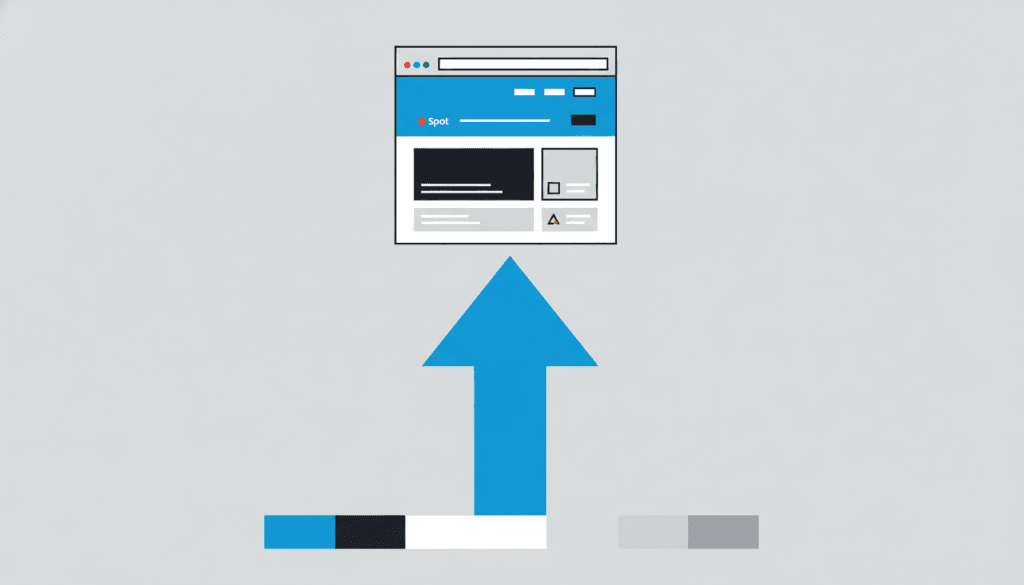
Business owners often arrive at a web design conversation with the question reversed: they want a website, and they assume branding is something that happens inside it. In practice, trying to design a website before you have a clear brand is like trying to build a house without a blueprint—you can do it, but you’ll spend the whole project making it up as you go.
What branding actually is
Branding is not your logo. It’s not your color palette or your font choices. Those are the visual expressions of a brand, but the brand itself is something underneath: your positioning, your voice, who you’re for, what you stand for, and what makes you the right choice over every competitor offering something similar.
A strong brand answers the question “why you?” in a way that resonates specifically with your best customers. It informs what you say and how you say it. It determines what you refuse to be and what you insist on being. Done well, it’s the reason a business feels coherent—where every touchpoint, from the business card to the website to the voicemail greeting, feels like the same entity speaking.
This is why branding and logo design should precede web design. Not by months, necessarily—a focused branding engagement can be completed in a week or two—but the brand decisions need to exist before the web design decisions can be made correctly.
What web design is
Web design is the craft of building a digital experience on top of a brand foundation. The designer takes what the brand says and makes it visible, accessible, and functional. The color palette becomes the site’s visual system. The voice becomes the copy. The positioning becomes the page architecture—what gets shown first, what gets emphasized, what story the site tells as someone scrolls through it.
Good web design requires something to design from. When the brand is clear—when you know exactly who you’re talking to, what makes you different, and what the experience should feel like—design decisions become faster, more cohesive, and more confident. When it’s not clear, every design decision becomes a debate that nobody has the context to resolve well.
The best-looking sites you encounter almost always have strong branding underneath them. The design is distinctive because it’s expressing something specific, not just arranging elements attractively.
What happens when you skip branding
The most common sign of a site built without brand clarity is a site that looks fine but feels generic. It uses competent design but nothing about it is specifically, unmistakably theirs. The colors could belong to any professional service firm. The copy could describe any business in the category. It doesn’t make you feel anything in particular.
This isn’t just an aesthetic problem. A site without brand clarity doesn’t differentiate. It doesn’t attract specifically the right customers. It doesn’t repel the wrong ones. And it doesn’t build the kind of recognition that makes someone think of you specifically when they’re ready to buy.
We’ve seen this pattern with many Scottsdale businesses that came to us for a website redesign after an initial site that underperformed. In almost every case, the first site was built before the brand was clear—and the redesign began with a branding conversation before any design work happened.
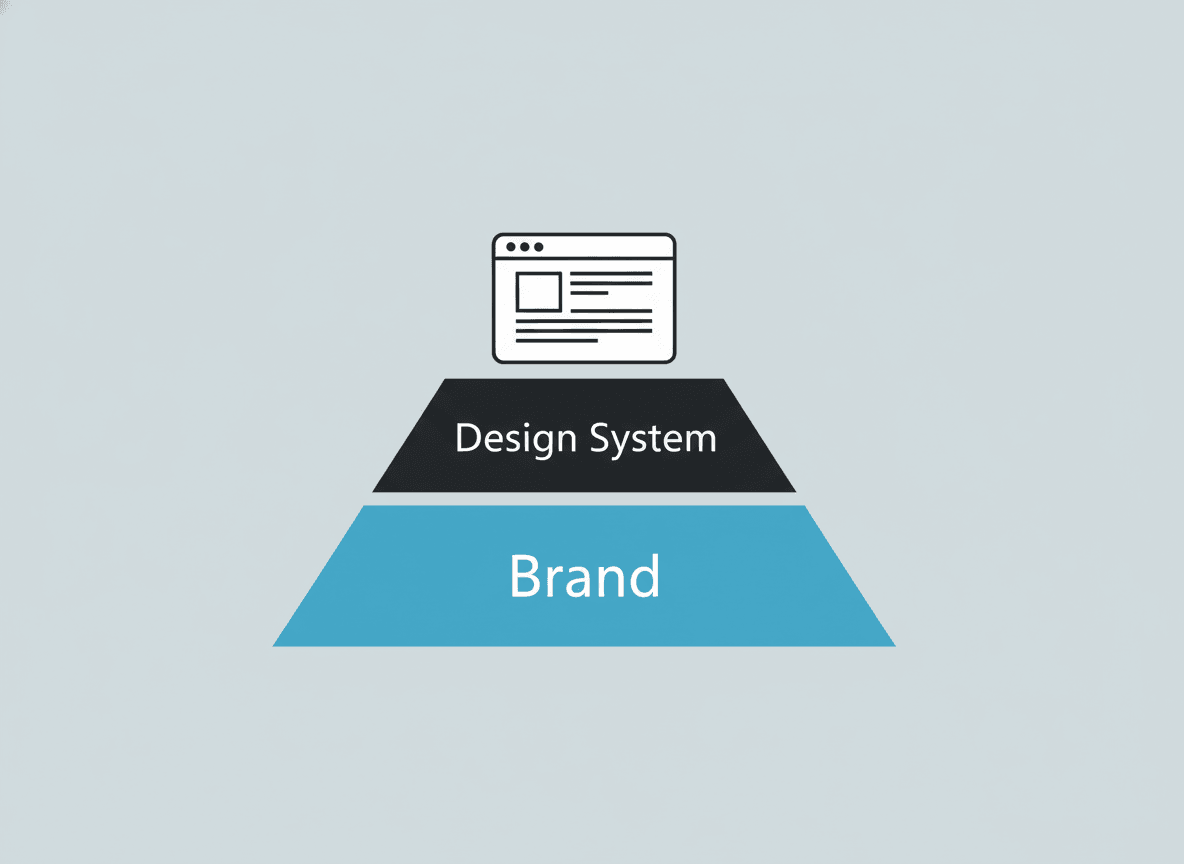
When to start with branding vs. going straight to web design
If you’re a new business or a business that has evolved significantly from when the original branding was done, start with brand work. Trying to design before this is clear produces a site that may need to be partly or fully rebuilt once the brand crystallizes—which always costs more than doing it in order.
If you have a clear, established brand that you’re confident in—you know exactly who you are, who you’re for, and what makes you different—you can move straight to web design. An experienced designer will extract and apply that brand from your existing materials, voice, and direction. You don’t need to redo branding work that was done well.
If you’re not sure where you fall, a short positioning conversation is usually enough to tell. The questions are: who is your best customer specifically, what do you do differently than your competitors, and what should someone feel in the first five seconds on your website? If those have clear answers, you’re ready to design. If they don’t, a small branding investment before the design phase will pay for itself several times over.
The overlap in practice
In real projects, branding and web design are rarely as sequential as the theory suggests. A web design process naturally involves positioning conversations, logo refinement, voice development, and visual system decisions. The boundary between “branding” and “design” is always blurry in practice.
What matters is that the underlying questions—who are we for, what do we stand for, what makes us different—get answered before the major design decisions get locked in. Whether you do that in a formal brand strategy engagement or in the discovery phase of a web design project, the sequence of thinking matters even when the calendar sequence is compressed.
For a deeper look at how this plays out in a real project, our design process walks through exactly how we handle the brand and design phases together. And if you want to understand what a properly sequenced brand and web project looks like for your business, reach out for a free quote.
Frequently asked questions
How long does a branding project take?
A focused brand strategy and visual identity project for a small business typically takes 2–4 weeks. This includes a discovery phase to define positioning, voice, and target audience, followed by logo and visual system development. The timeline compresses when decision-makers are available and feedback is timely, and extends when multiple stakeholders need to align. Done in parallel with initial web design discovery, the combined project adds only a few weeks to the overall timeline.
Can my web designer handle branding too?
It depends on the designer. Many web designers work primarily in visual execution and aren’t equipped to run a brand strategy process. Others—particularly studios with strategic capability—can and do handle both, which keeps the work coherent and eliminates the handoff friction between a branding agency and a web team. When evaluating a designer, ask directly how they handle the brand and positioning layer and what their discovery process looks like.
I already have a logo. Do I need a full rebrand before building a new website?
Not necessarily. If your existing logo and visual identity are solid and the brand positioning underneath it is clear, a web design project can work with what you have. If the logo is dated, the visual system is incomplete (no clear color palette, inconsistent typography), or you’ve outgrown the original positioning, a design investment before the web project produces a stronger final result. We evaluate this in discovery and give you an honest read on what’s needed.
What does a brand guide include?
A complete brand guide covers logo usage rules (clear space, color variations, what not to do), the color palette with specific hex and CMYK values, typography selections and hierarchy, photography style guidance, voice and tone guidelines, and often the positioning statement and audience definition. This document is what allows a web designer, a social media manager, and a print vendor to all produce work that feels like the same brand.
How much should I invest in branding for a small business?
For a serious small business branding engagement—positioning strategy, logo design, visual identity system, and brand guide—plan to invest somewhere between $2,000 and $6,000. Simpler visual identity projects without the strategy layer cost less. This range reflects real professional work that produces something durable and useful, not stock icons and a color picker. Done well, the brand identity a business establishes at this stage can last a decade.